 +972 2 6707211
  +972 2 6707211
  public@president.gov.il
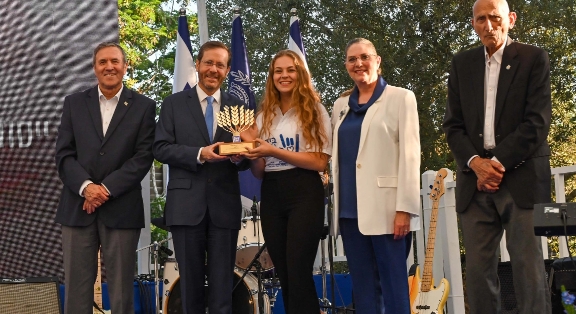
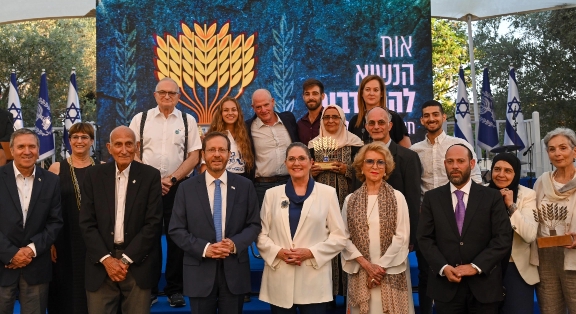
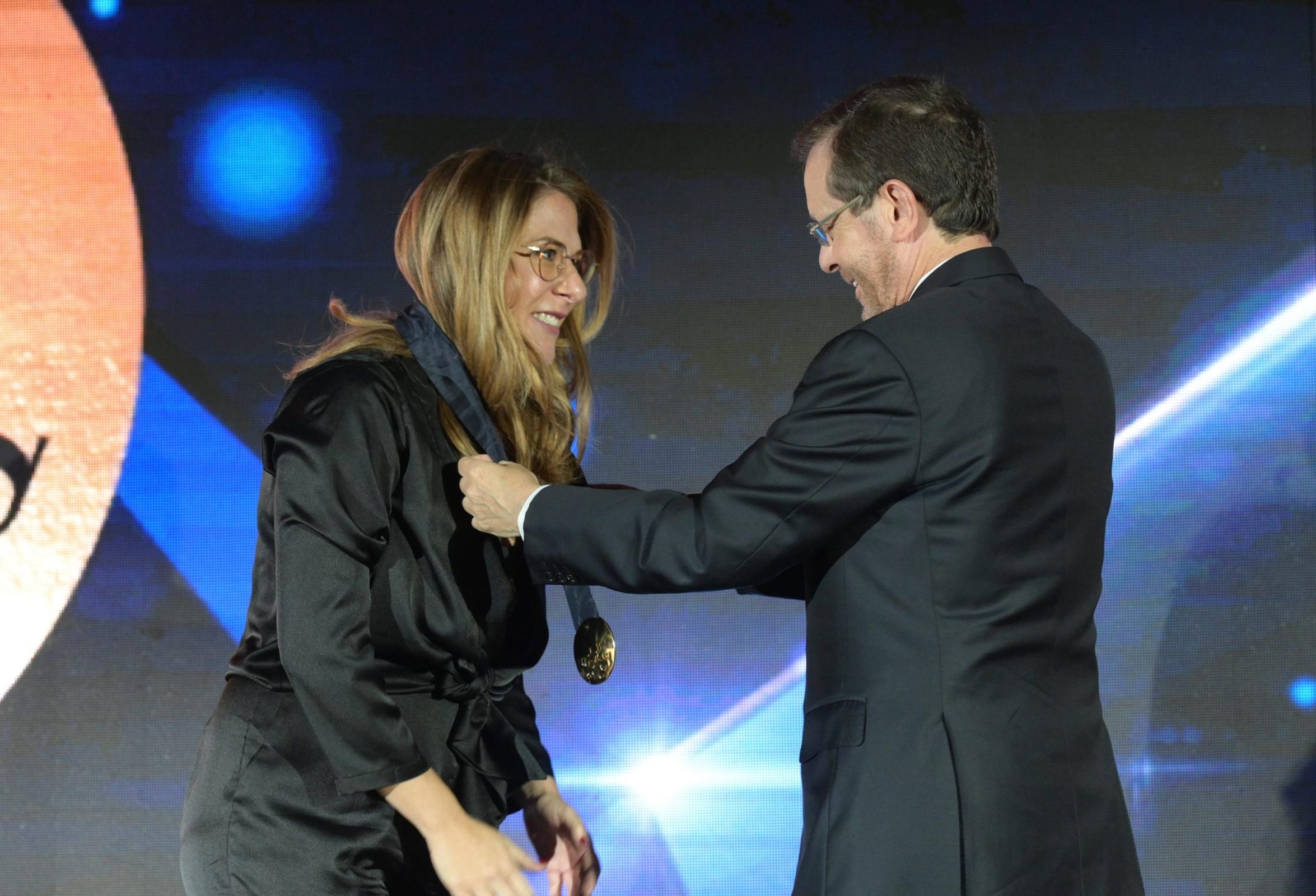
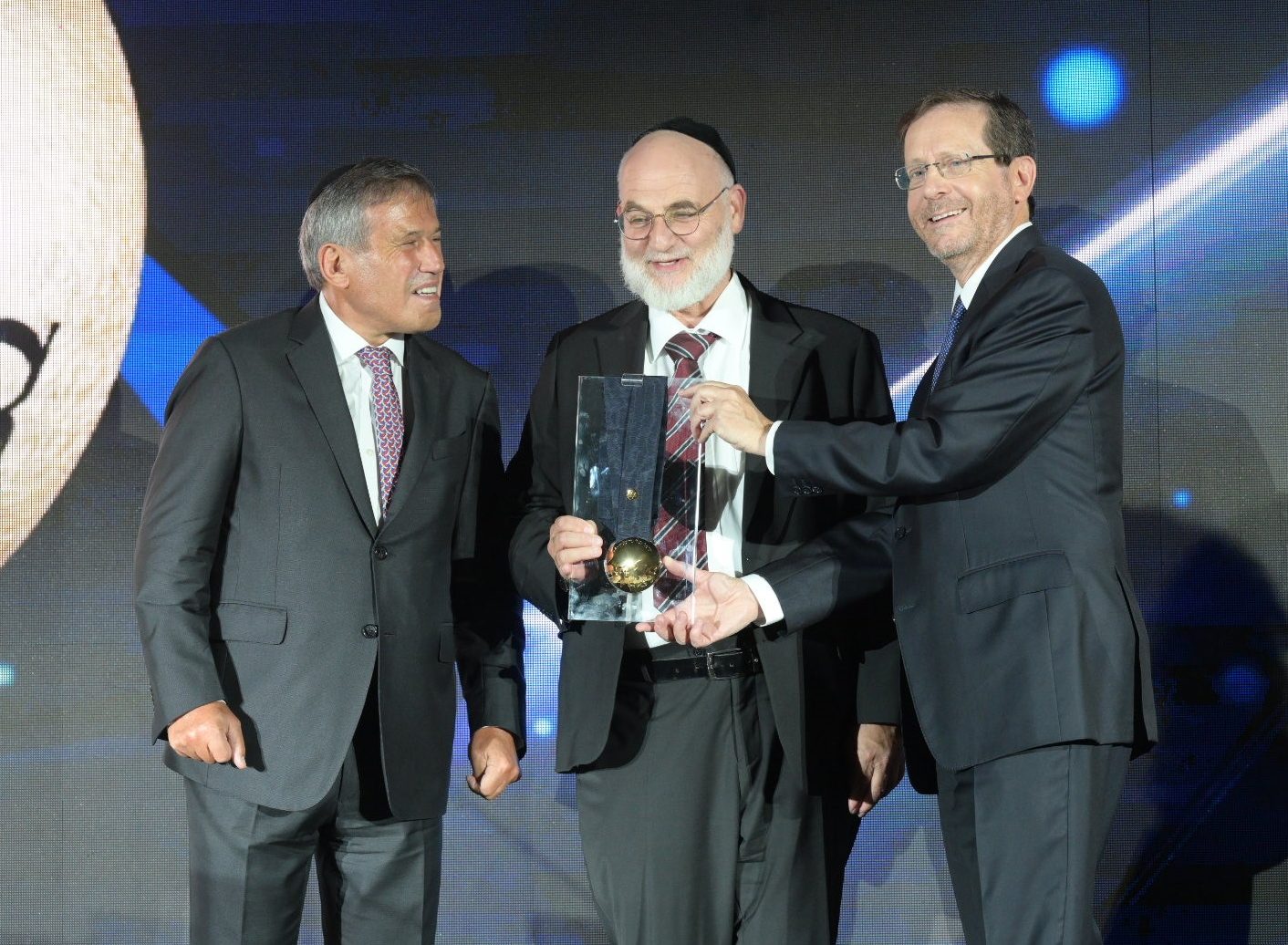
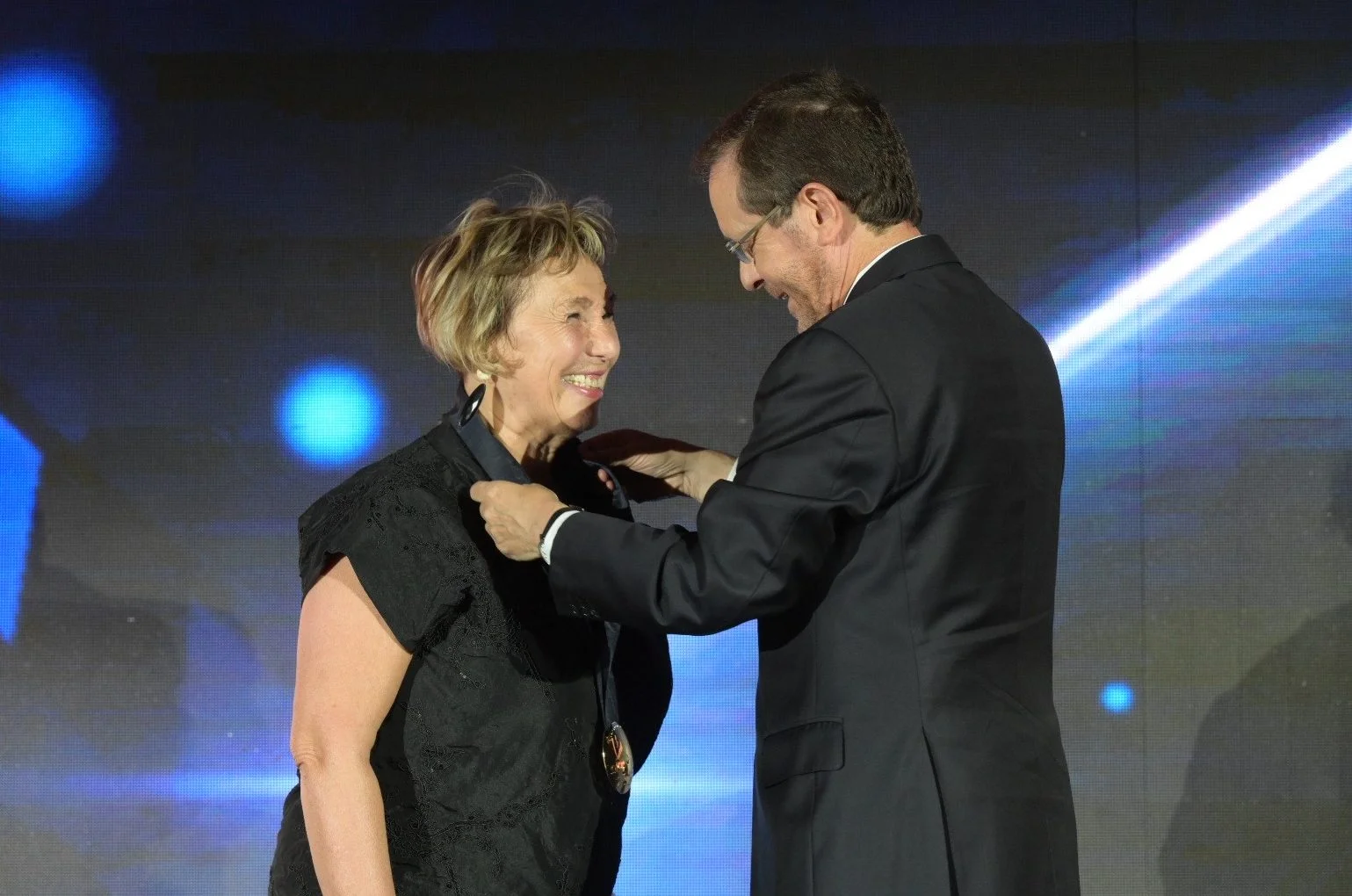
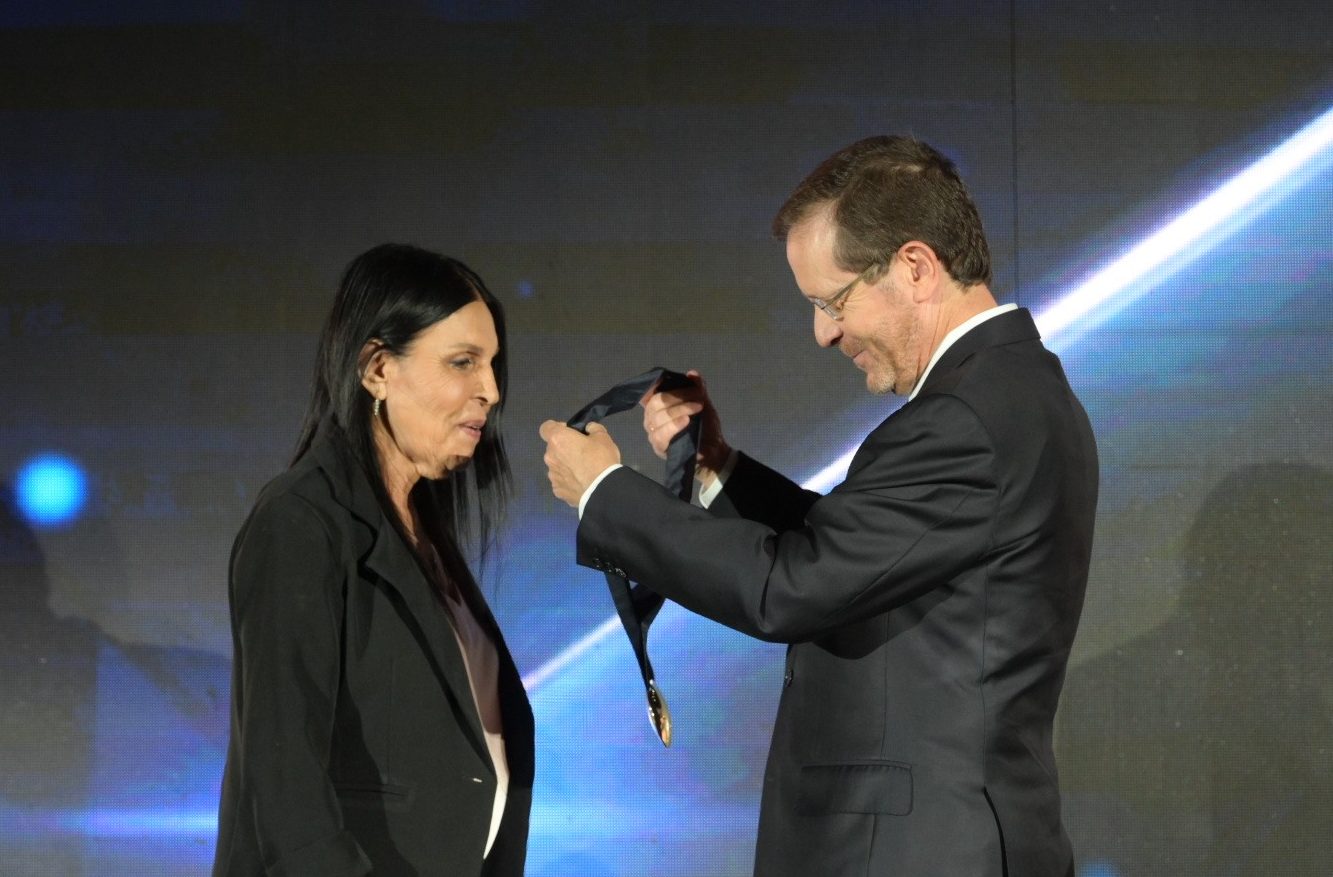
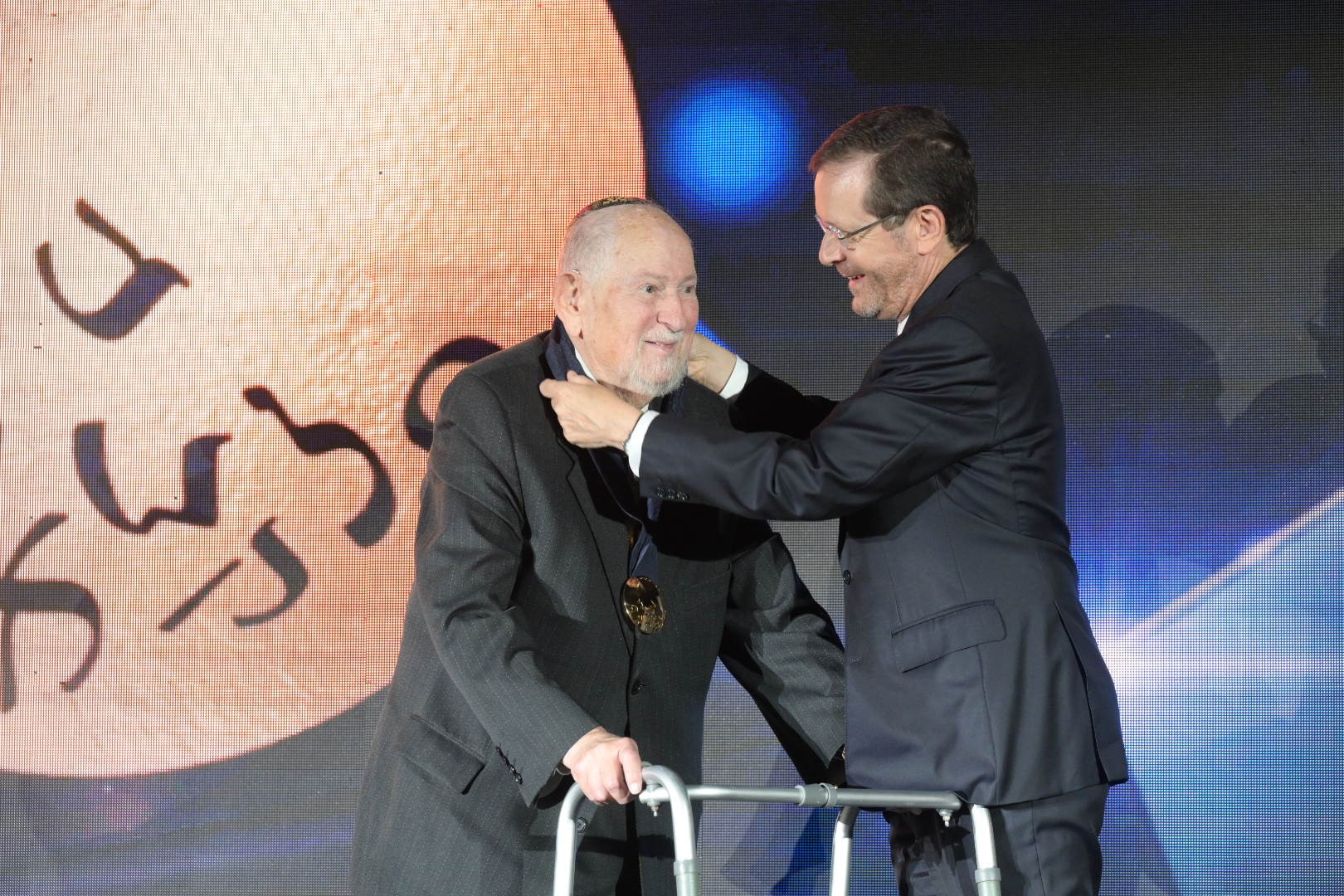
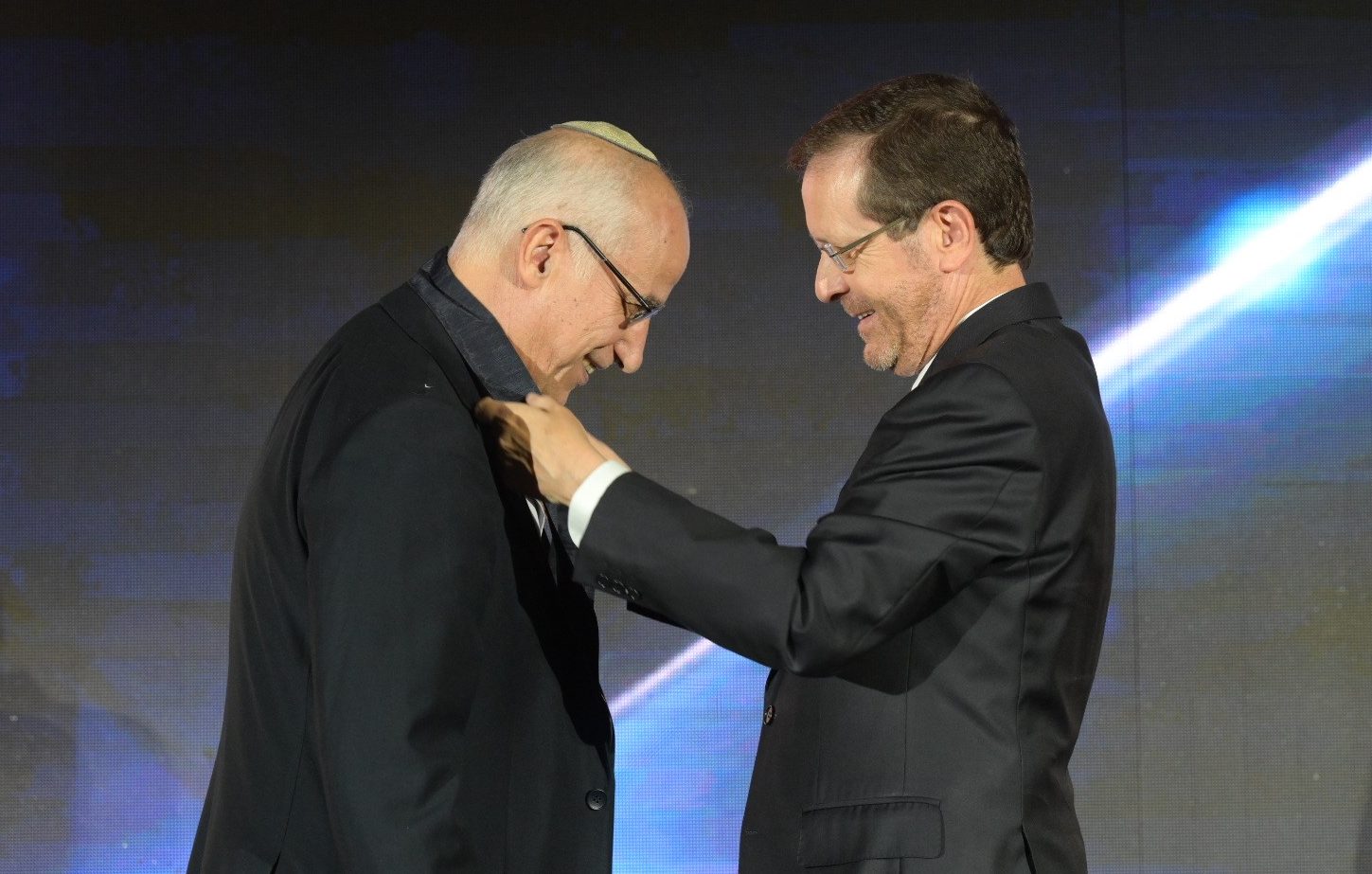
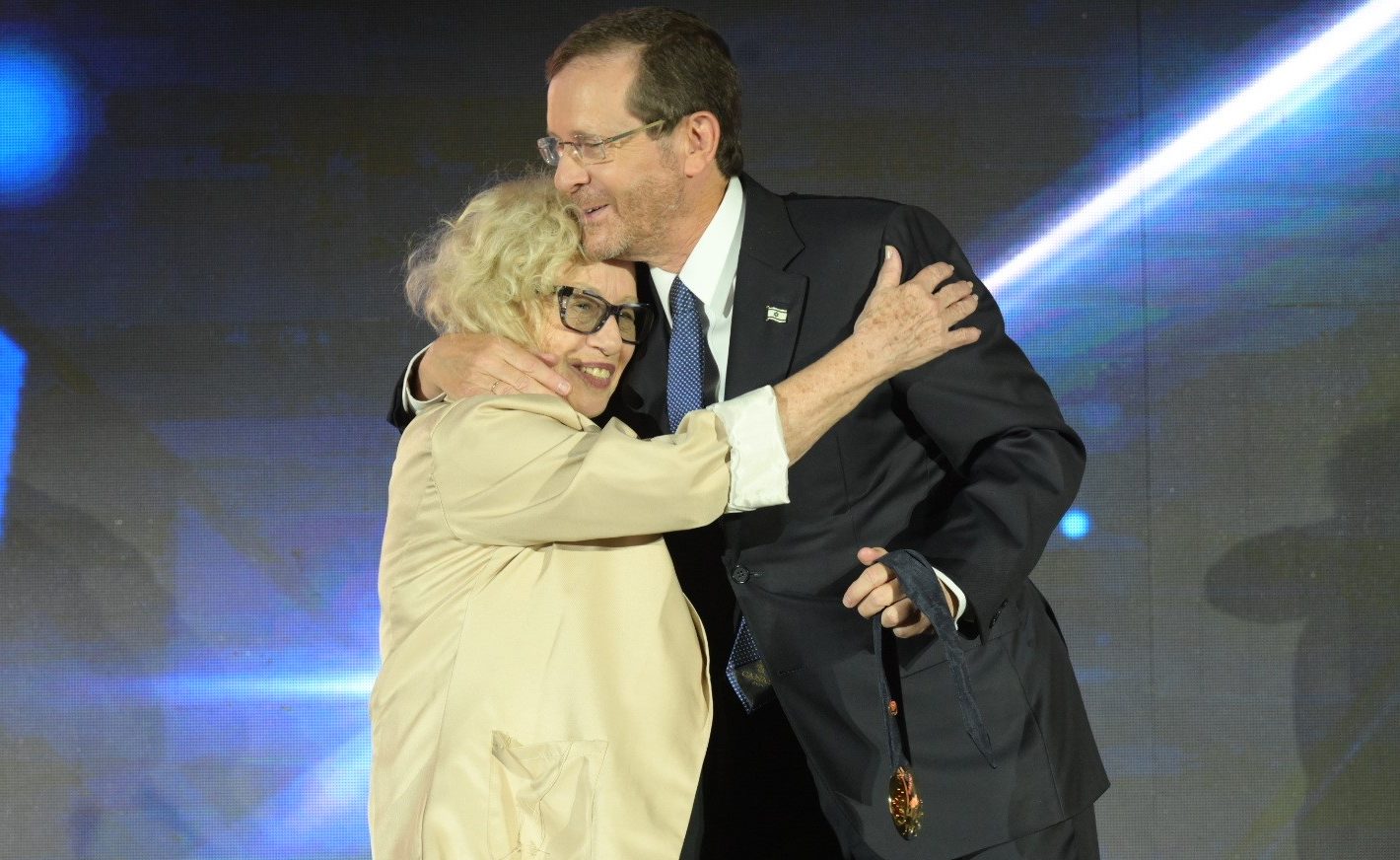
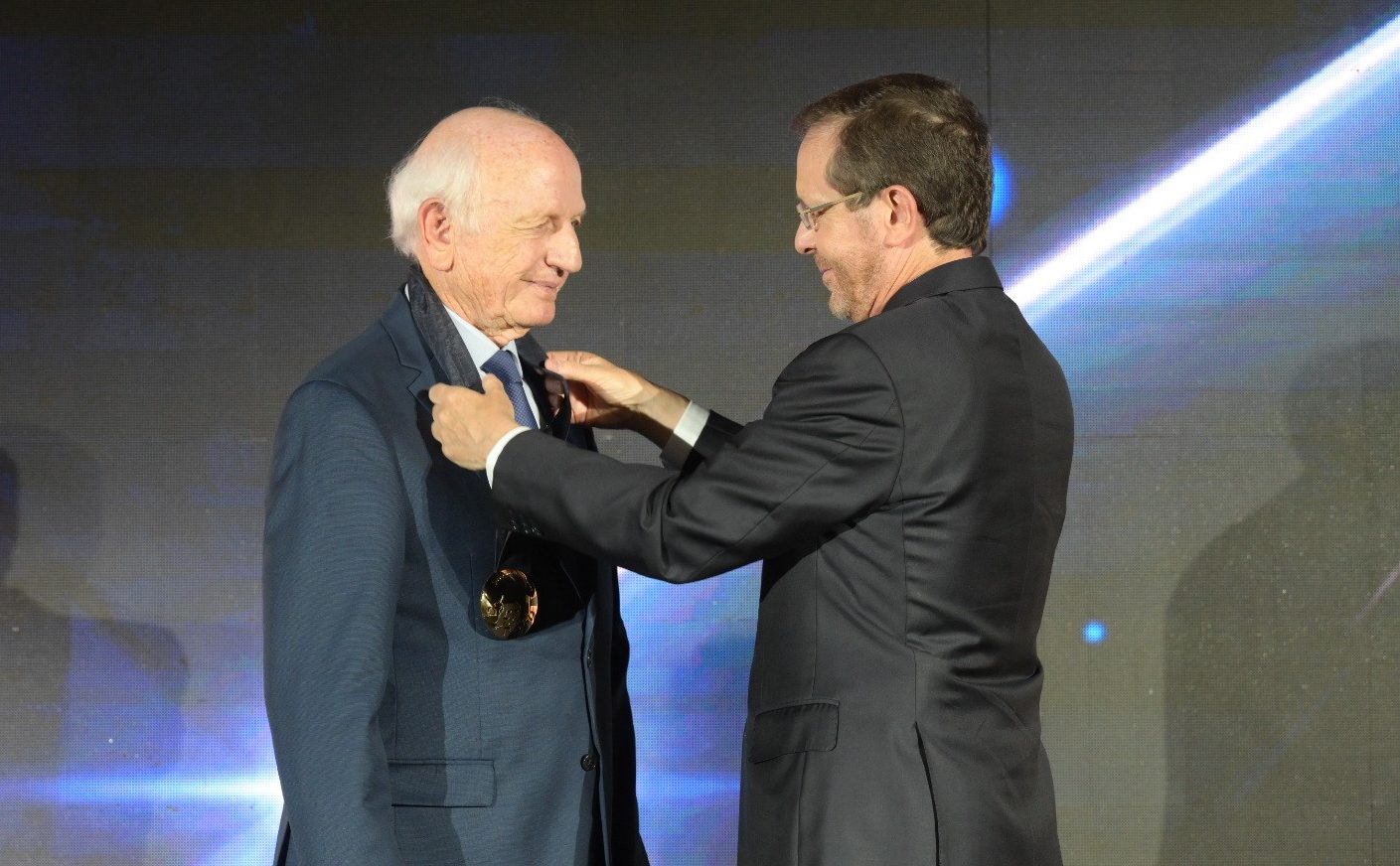
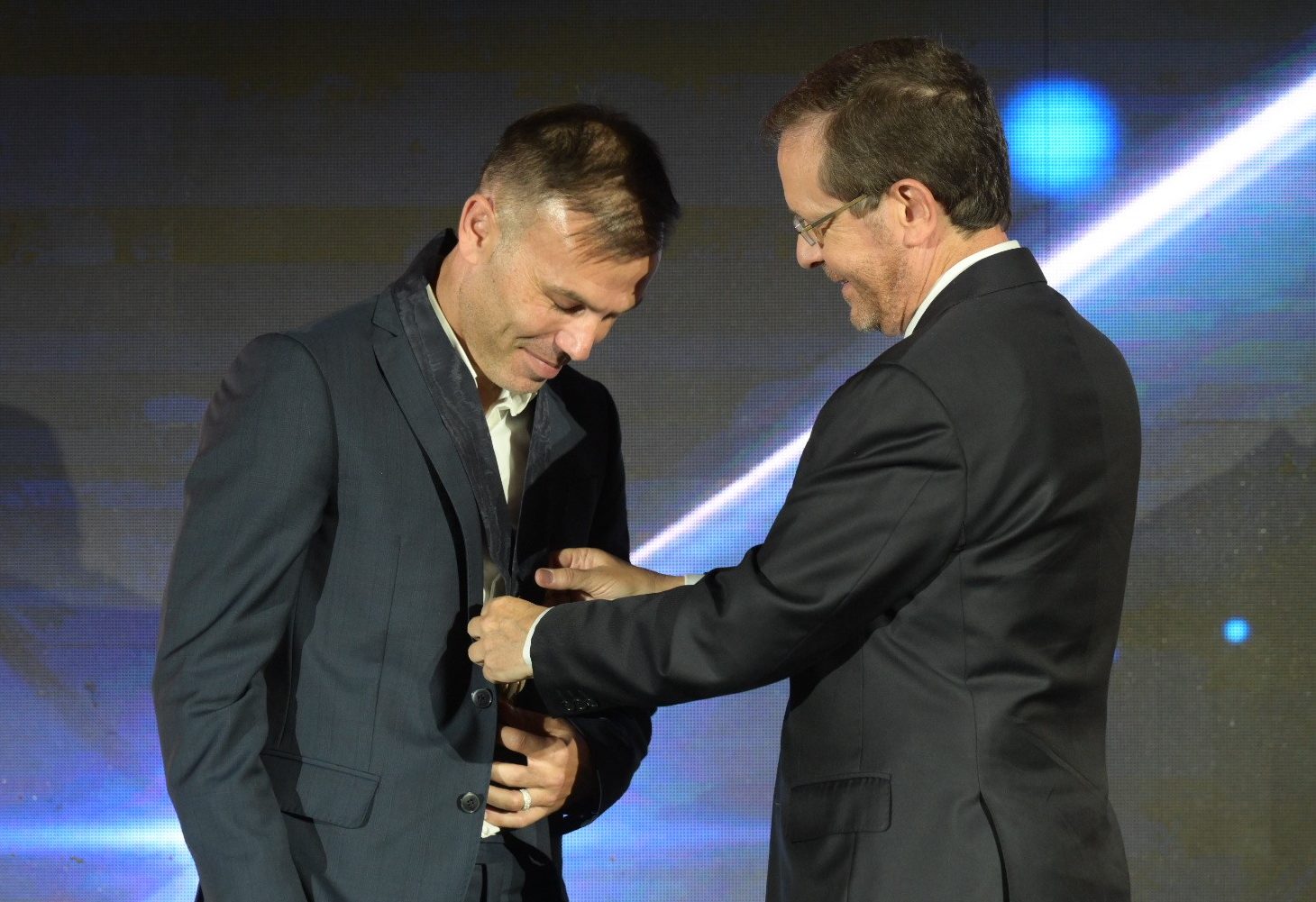
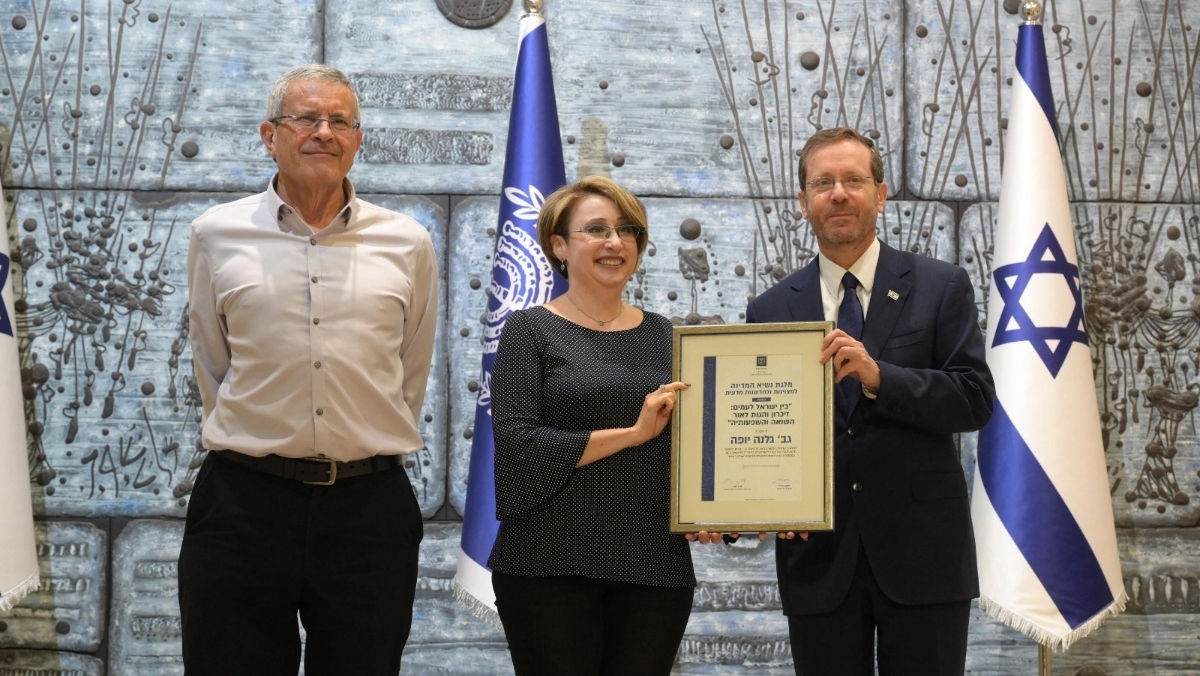
Israeli Presidential Award for Volunteerism Ceremony
Credit: Kobi Gideon, GPO


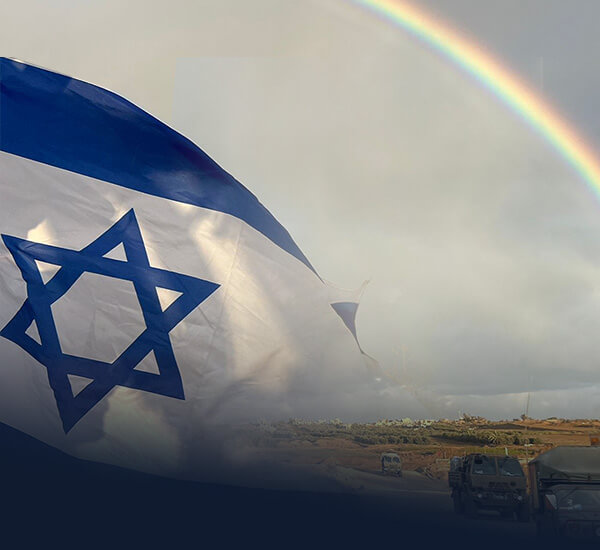
“…So as to teach that losing just one life is regarded as losing an entire world; and saving one life, is regarded as saving an entire world.” (Mishna Sanhedrin)
“Every person is obligated to risk his own life to save another person from danger… This derives from public obligation to the welfare of the state and the common good.” (Responsa, “Tziz Eliezer” of Rabbi Eliezer Yehuda Waldenberg)
“Because this type of brotherhood-in-arms will never allow our hearts to forget; love, sanctified by blood, you will be back to blossom amongst us.” (‘The Song of Friendship,’ Haim Gouri)
The vicious terror attack on October 7th 2023, Simchat Torah 5784, was one of the most dramatic and disturbing events in the history of the State of Israel, with unprecedented effects on the battlefront and the home front alike. It took the lives of more than 1,200 Israelis, including hundreds of men and women in the line of duty within the police force and the IDF, and left thousands injured, while over 200 people were taken hostage by Hamas terrorists, many of them still in captivity.
Along with the unbearably heavy toll of the attack, from the very beginning we were exposed to outstanding and unfathomable acts of heroism, including those carried out by ordinary Israeli citizens, who operated courageously in a moment of tangible risk to their own life, out of a sense of shared fate and mutual responsibility, with the goal of saving human lives.
As such, the President has elected to establish a unique decoration- “The Presidential Award for Civilian Heroism,” which will be presented to these citizens, thus conveying respect toward and acknowledgement of its recipients and, no less important, affording honor, pride and hope to Israeli society and the entire State of Israel.
As we know, throughout the history of the State of Israel, a custom was formed in which awards, decorations and medals were presented to the deserving, especially in the wake of watershed national events that were the backdrop for acts of transcendence and heroism on the part of exceptional individuals (including decorations following consequential wars such as the IDF’s Israeli military decorations and Israeli Police decorations). As such, the President has elected to establish an appropriate state framework that will highlight the mutual responsibility and heroism of Israeli society, and reflect the nation’s recognition of these Israeli heroes.
“The Presidential Award for Civilian Heroism” will be presented by the President in an official state ceremony, to citizens who operated courageously in a moment of tangible risk to their own life, out of a sense of shared fate and mutual responsibility, with the goal of saving human lives, excluding security forces, members of the police force or the military. The award can be conferred posthumously as well, and the advisory Board will be permitted to exclude citizens who were recognized as members of the security forces, according to Advisory Board members’ discretion.
The President determined that the Advisory Board which makes recommendations for candidates for the Award will be chaired by Justice Prof. Elyakim Rubinstein, Deputy President (Ret.) of the Supreme Court of Israel.
Nominations must be submitted no later than Sunday March 24th / 14 Adar Bet
The award is an expression of the President’s aspiration to foster values of social involvement, giving, mutual responsibility, and love of one’s fellow humans and the Land of Israel. The award is granted in cooperation with the National Council for Volunteerism in Israel, and in 2023, it was awarded for the 49th time in a special ceremony marking 75 years of the State of Israel.
The award salutes young and old people, secular and religious citizens, and Jews, Muslims, and Christians in Israel, and encourages them to exercise responsibility for each other. All residents of the State of Israel and organizations active in Israel are entitled to nominate themselves or others.
Over the years, the Presidential Award for Volunteerism has served as an example for foreign presidents wanting to encourage volunteerism in their own countries. Staffers working for U.S. President George H.W. Bush, for example, who learned about the Presidential Award for Volunteerism from the Office of the President of Israel, established a similar enterprise, which recognizes outstanding volunteers in the United States.
In his first year presenting the award, President Isaac Herzog decided that he would dedicate it to “persons working to advance partnership and solidarity, for the sake of individuals, society, and their surroundings, with the aim of creating an exemplary society in the State of Israel.” This theme was selected in the spirit of the President’s inaugural address, in which he said: “…we must stop seeing the differences between us as obstacles. They are the source of our strength. It is thanks to them that Israel’s power is given full expression. After all, we would not be who we are without the immense human and intellectual diversity that came together here. That mosaic made up of uniquely Israeli qualities: the sense of family, resourcefulness, and optimism, the principles of justice and solidarity, compassion and mutual responsibility—the building blocks of a model society…Let us reaffirm, every day anew, our choice of us. Let us choose to win together, not just to beat each other. Let us choose to be gracious, to extinguish the flames of hatred with the unique Israeli spirit, to foster love for our fellow citizens. Let us choose to be united not only in our principles and values, but also our hopes and dreams.”
In a video message released on the eve of International Volunteer Day, and as part of his invitation for nominations for the award, the President added: “Volunteering is a supreme social value. Volunteering means giving, for the sake of the other; volunteering builds a healthy country. This is an opportunity to consider volunteering ‘our highest joy’ (Psalms: 137).”
In order to consider nominations for the award, the President is assisted by an advisory committee, which makes recommendations about the nominees. The committee comprises ten members drawn from different parts of the world of volunteering—public officials, social figures, academics, and journalists who represent all sections of Israeli society.
The award regulations state that the Israeli Presidential Medal of Honor may be awarded to individuals or organizations that meet at least one of the following standards, through either a one-off endeavor or ongoing activity: “The candidate has made a unique contribution to the State of Israel or to tikkun olam, or has left a mark on society in his field of endeavor or accomplishments; the candidate has elevated the status of the State of Israel and made a unique contribution to its global image; the candidate serves as an example and role model of initiative, innovation, creativity, and vision.”
The award was the initiative of the Ninth President of the State of Israel, the late Shimon Peres, in 2012. During the Peres Presidency, the award was bestowed on twenty-six individuals, including United States President Barack Obama, German Chancellor Angela Merkel, Rabbi Yisrael Meir Lau, Nobel Prize Laureate Eli Wiesel, former U.S. Secretary of State Henry Kissinger, and Rabbi Adin Steinsaltz.
After a period in which the Israeli Presidential Medal of Honor was not awarded under the Tenth President, Reuven Rivlin (2014-2021), President Isaac Herzog decided to renew the tradition, and the public was invited to submit nominations for the award. President Herzog appointed an advisory committee, headed by retired Supreme Court Justice Prof. Yoram Danziger to consider nominations for prize laureates.
Reaching the end of a decade of granting the award, and in honor of Israel’s 75th Anniversary, the President’s Residence has initiated the design of a new medal by Sari Srulowitz, who was chosen to conduct the medal’s renewal by a professional committee.
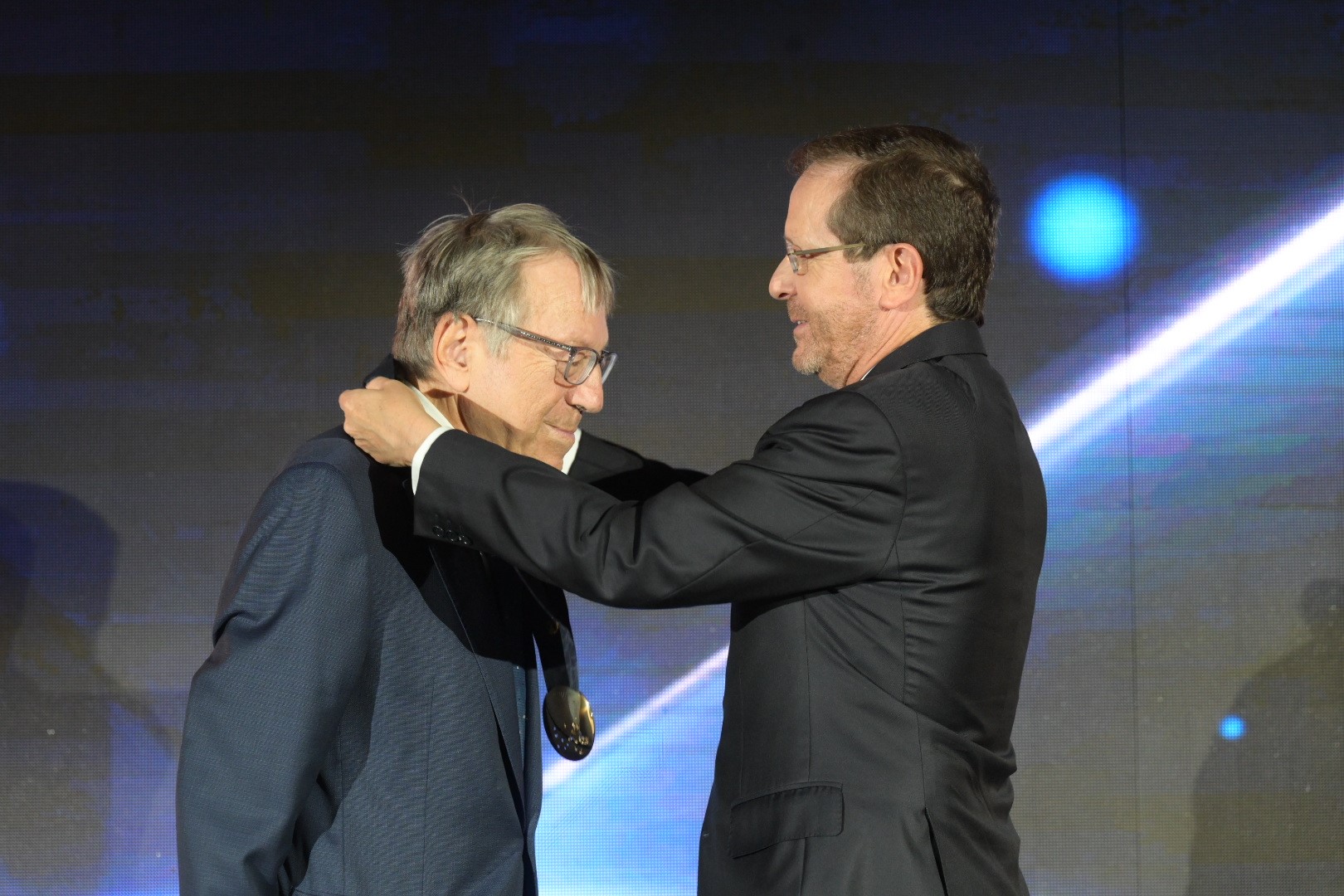
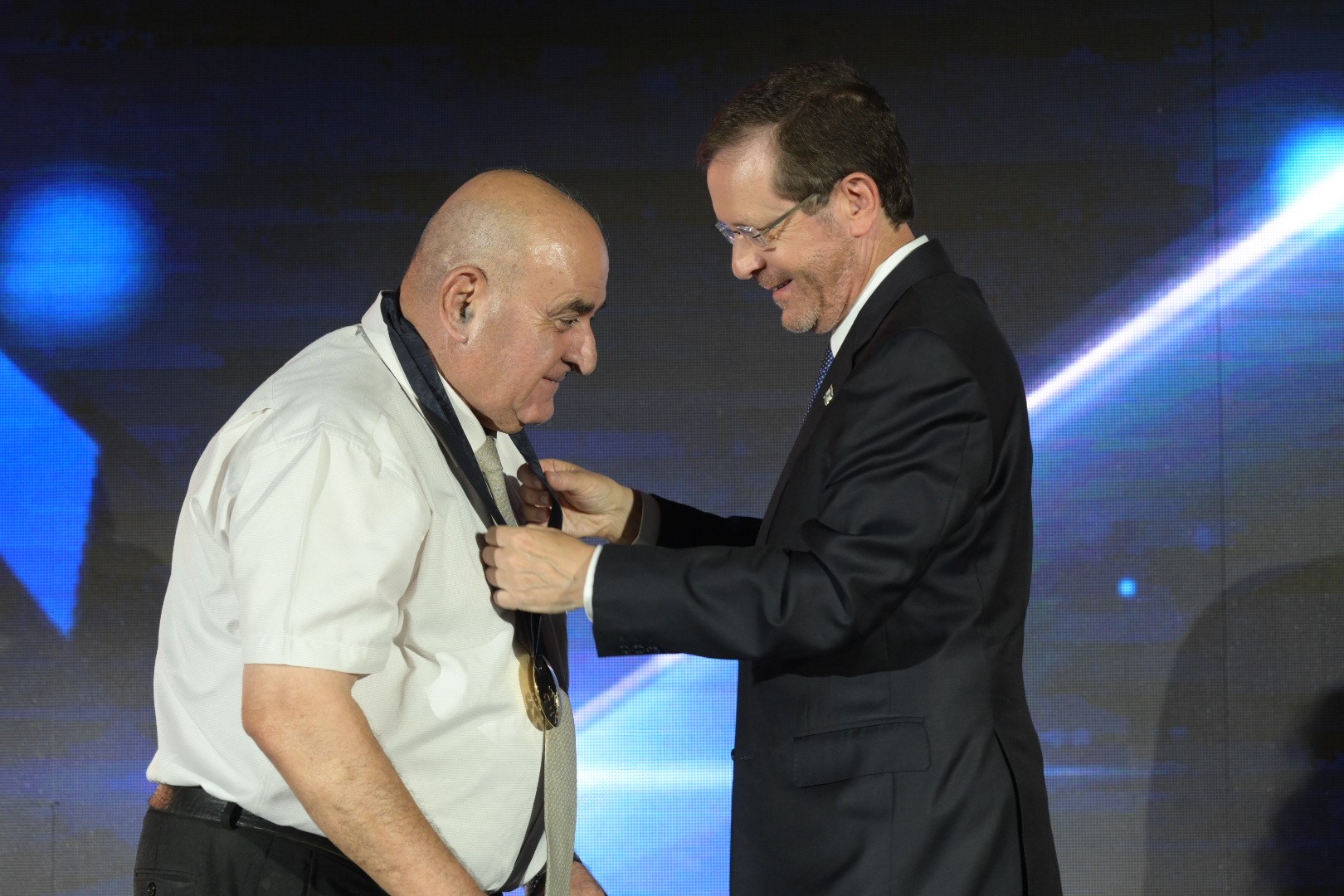
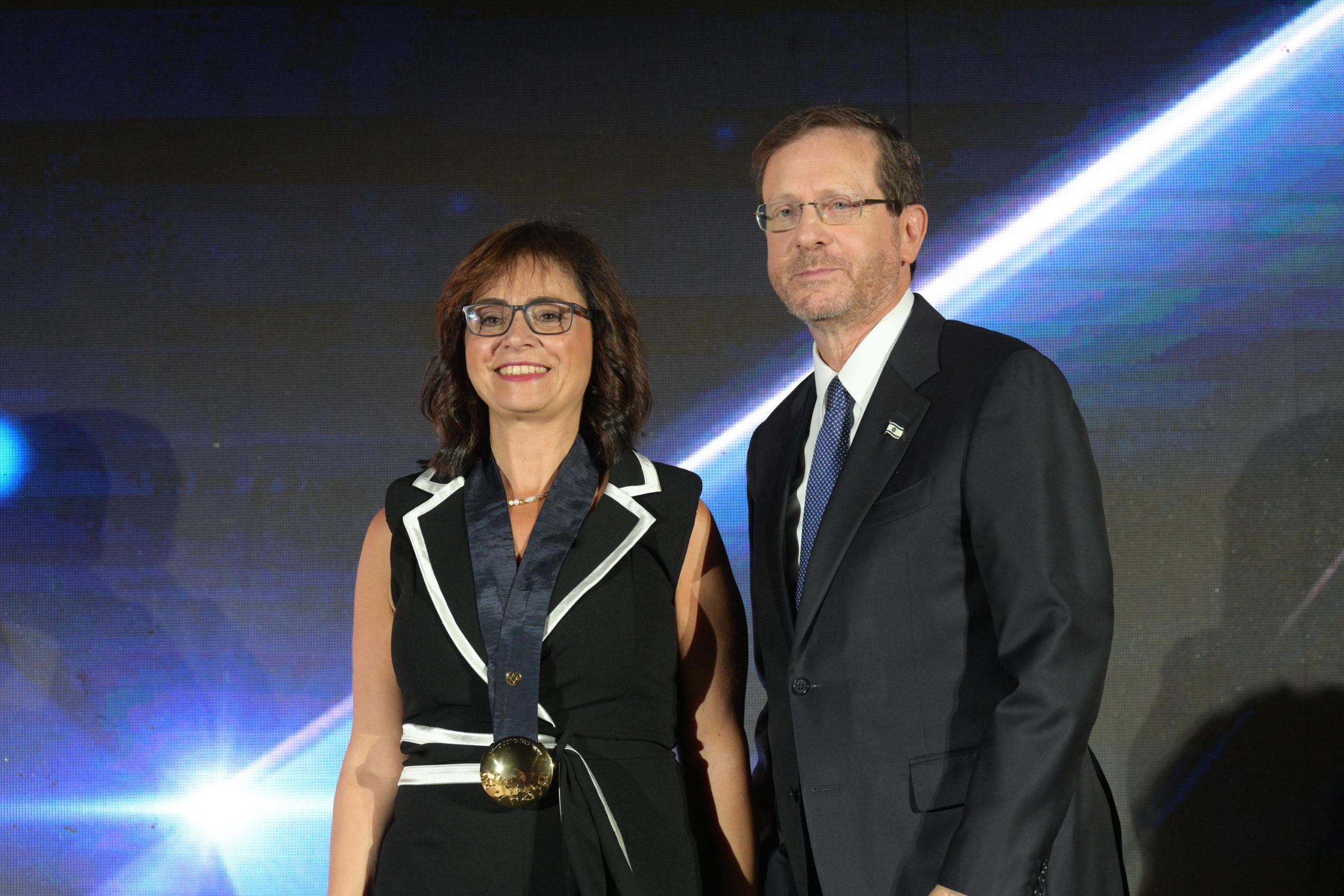
The medal is an arced disk in gold. On each side the Hebrew alphabet perforates the material, enabling light to shine through the lettered shapes. The Hebrew alphabet is well anchored in the traditional roots of the People of the Book, which has shaped “cultural values of national and universal significance and gave to the world the eternal Book of Books,” as noted in the Declaration of Independence of the Jewish and Democratic State of Israel.
The light flowing through the letters is also an element that runs like a silken thread through human, Jewish and Israeli culture, beginning with the light of creation, to the light of the Holy Temple, the light of Shabbat candles, memorial candles, and the beacons of revival. Enhancing the light is the blue ribbon representing the Tallit, and the flag of Israel.
Finally, the medal’s components come together in the formative phrase: “And there was light.”
Medal recipients are outstanding persons in Israel and worldwide, who fully enfold the concept of light revealed. They are beacons of creativity and values, leadership and initiative, and of excellence. They have promoted Israel, Israeli society, the Jewish people, and humanity at large by seemingly creating what never was before, and in this way expanding the light.
The original medal was designed by renowned artist Yossi Matityahu.
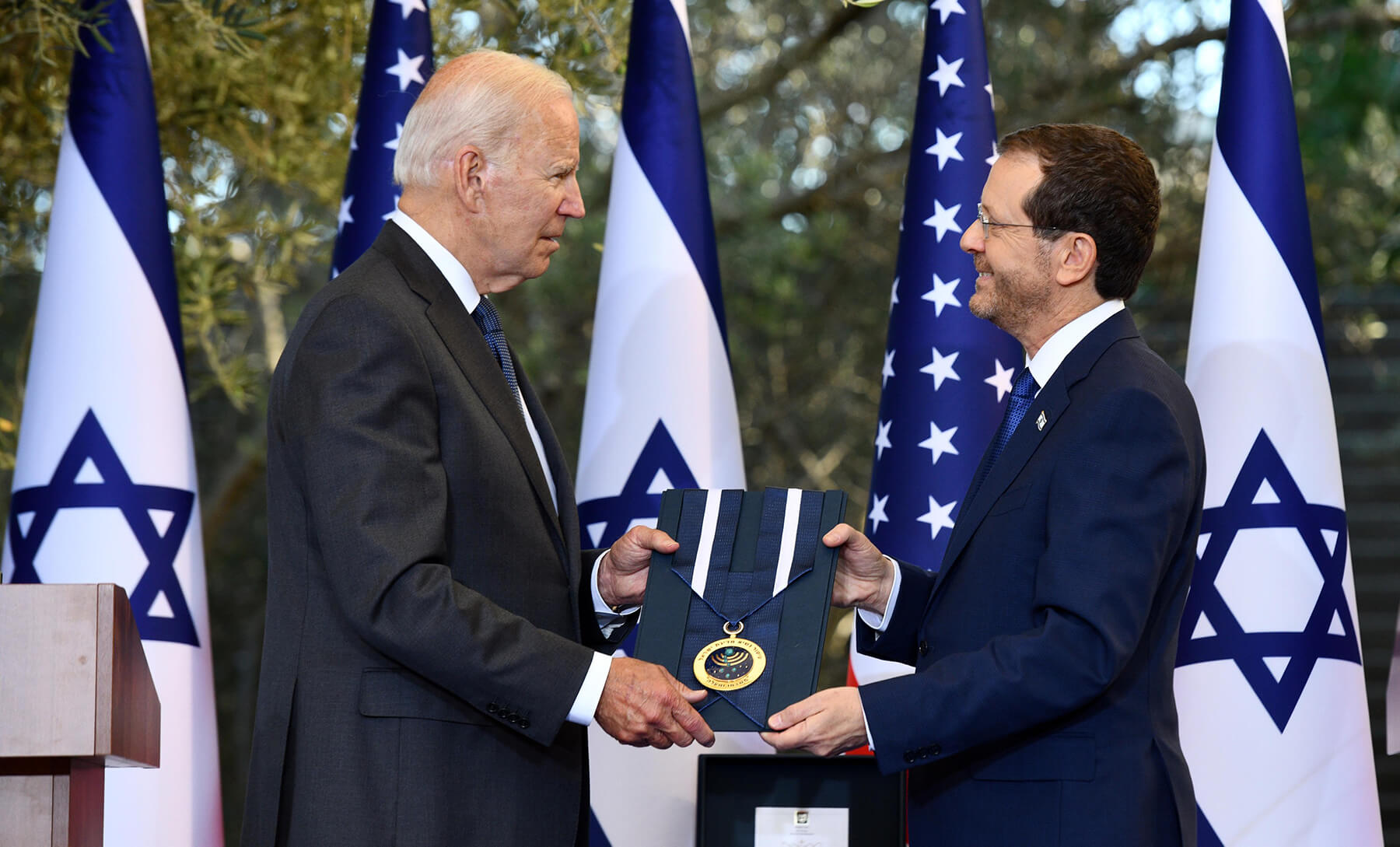
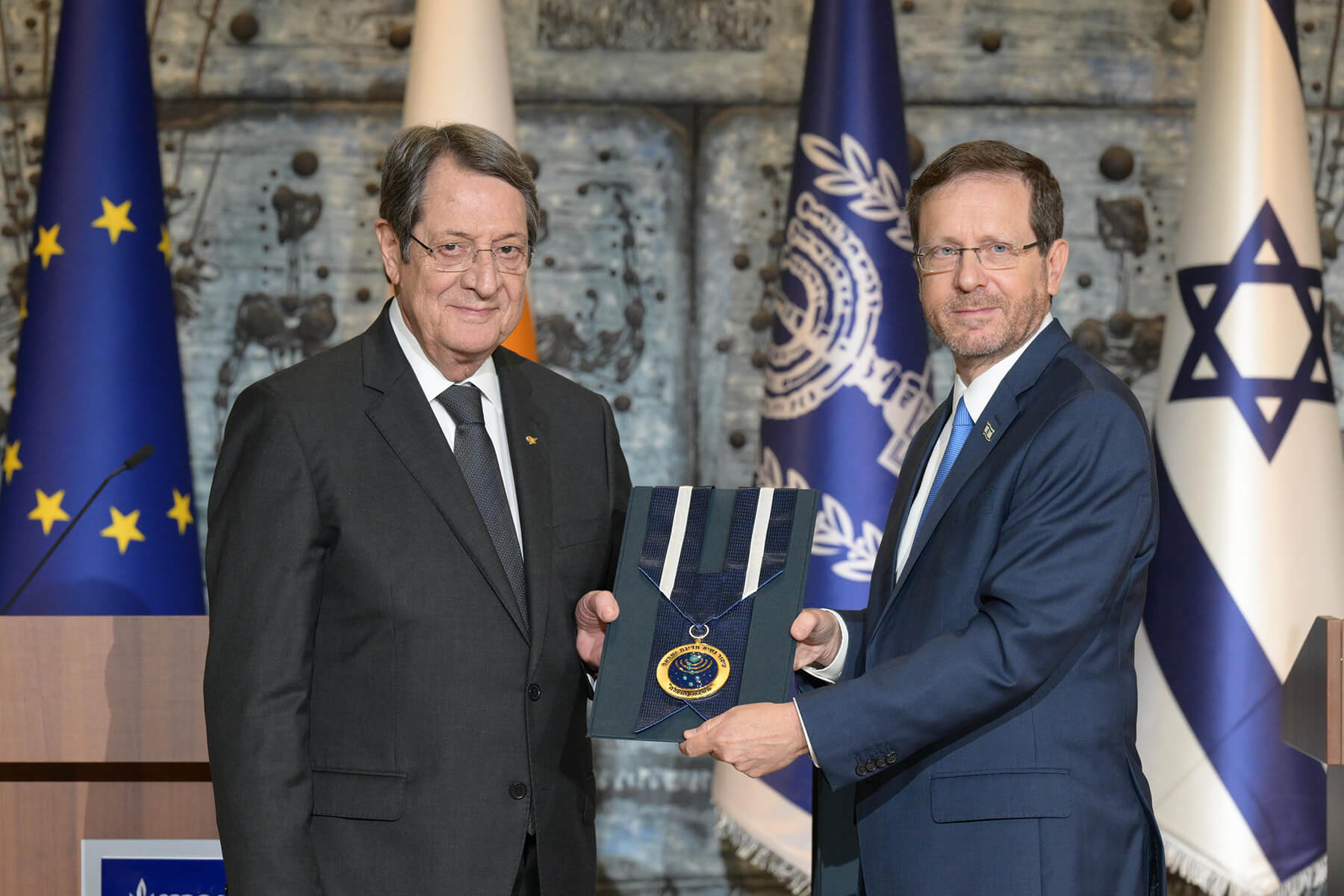
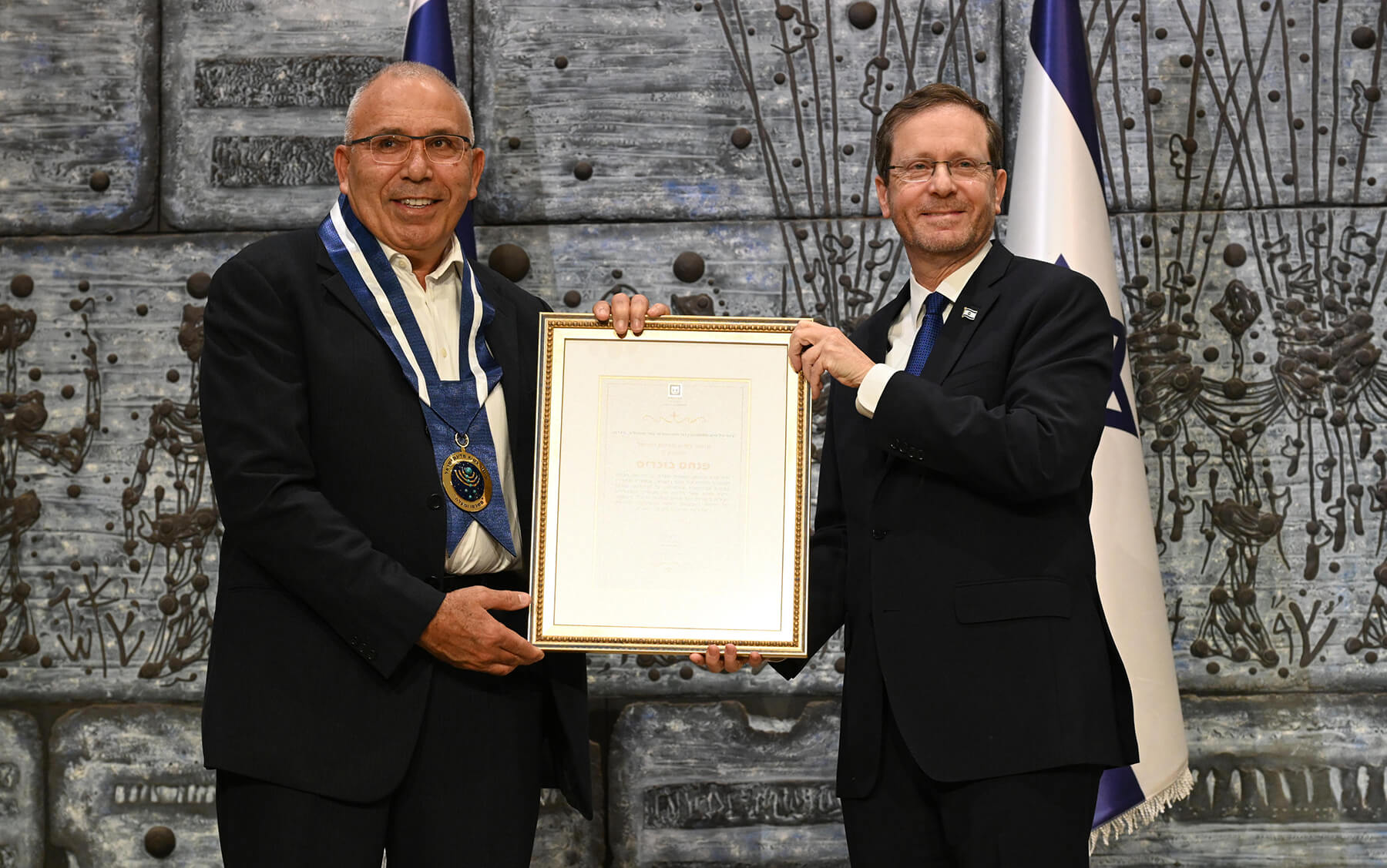
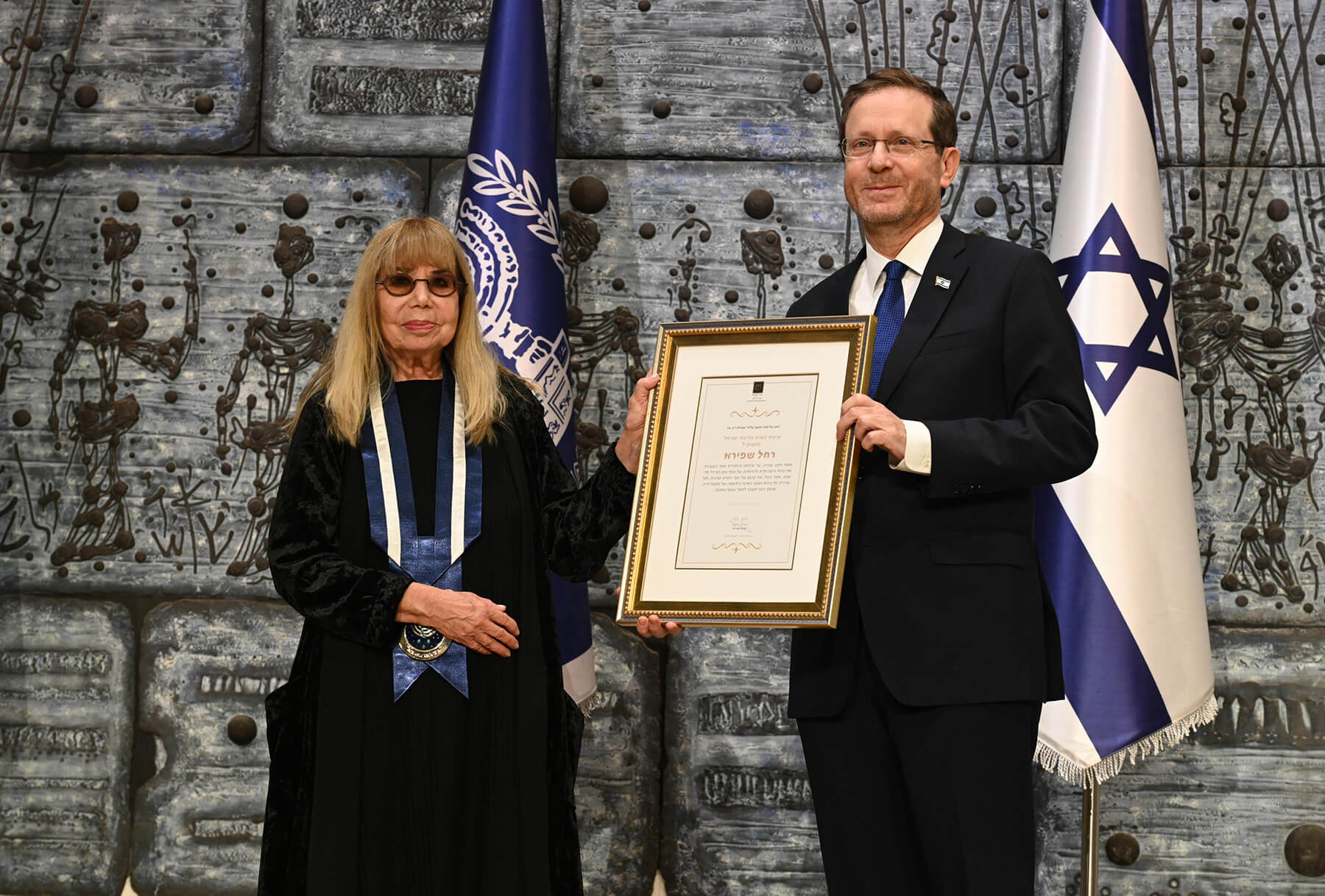
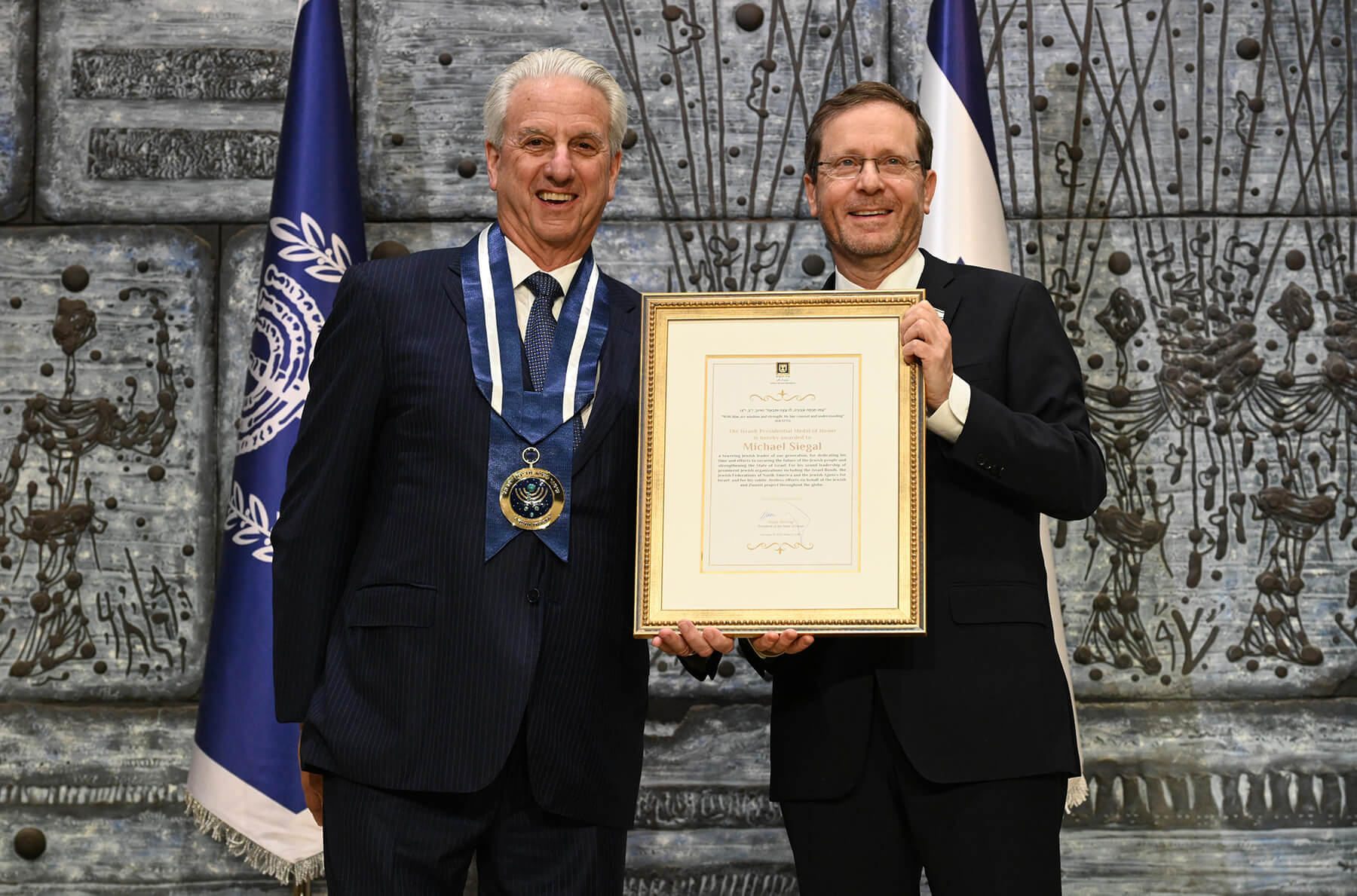
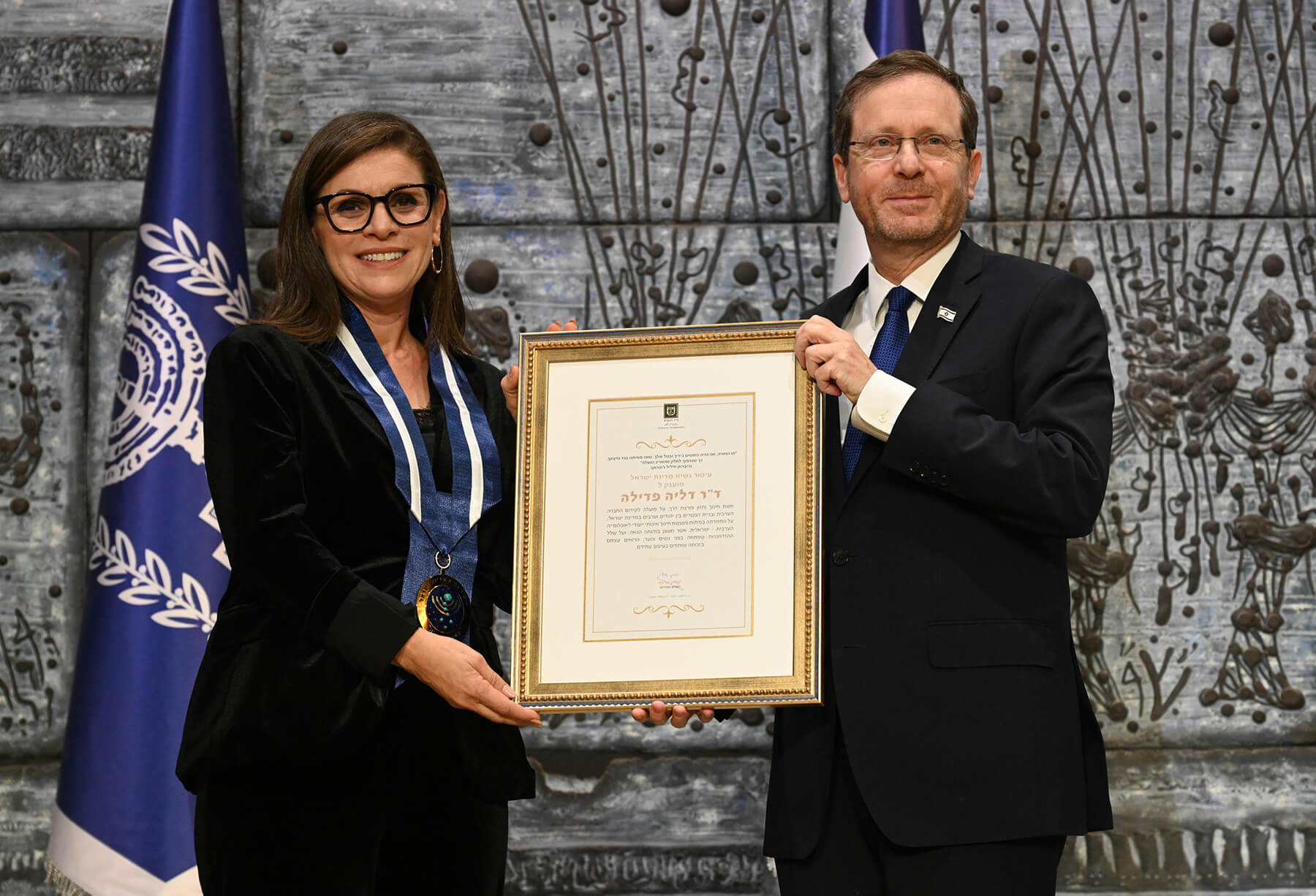
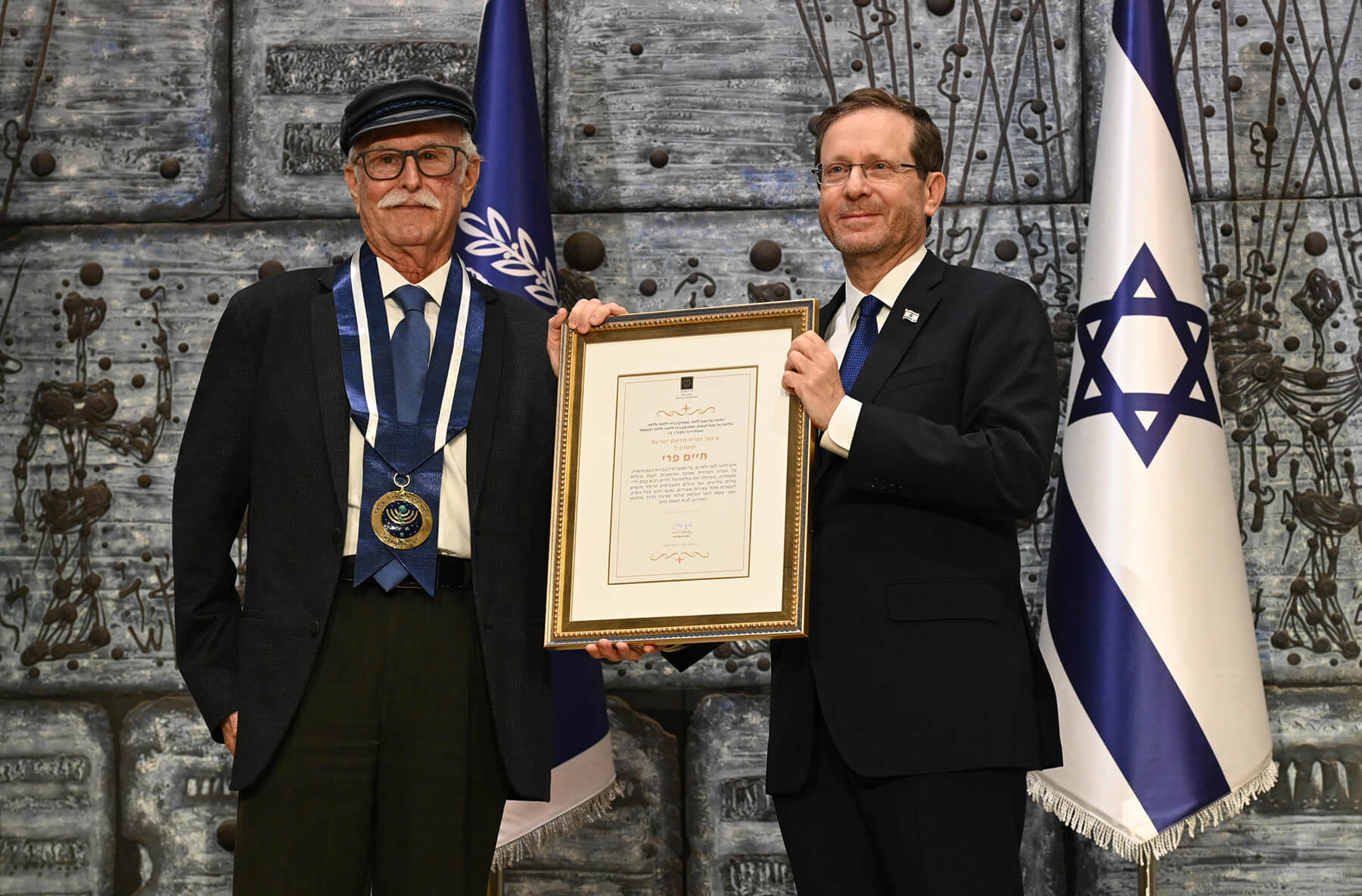
The President has, since commencing his role, granted this medal to individuals from Israel and abroad, among them President of the USA, Joe Biden; President of Cyprus, Nikos Christodoulides; President of the Czech Republic, Miloš Zeman; poet Rahel Shapira; and others who have contributed uniquely to their fields.
Credit: Kobi Gideon, GPO
Soon after Israel’s independence, the Guardian-General in the Ministry of Justice was empowered to handle such bequests and donations. The financial data is transferred once a year to a public committee (the Estates Committee), which puts out a public call for applications for support. In accordance with its protocols and donors’ wishes, and in a transparent and egalitarian manner, the committee decides on beneficiaries for funding.
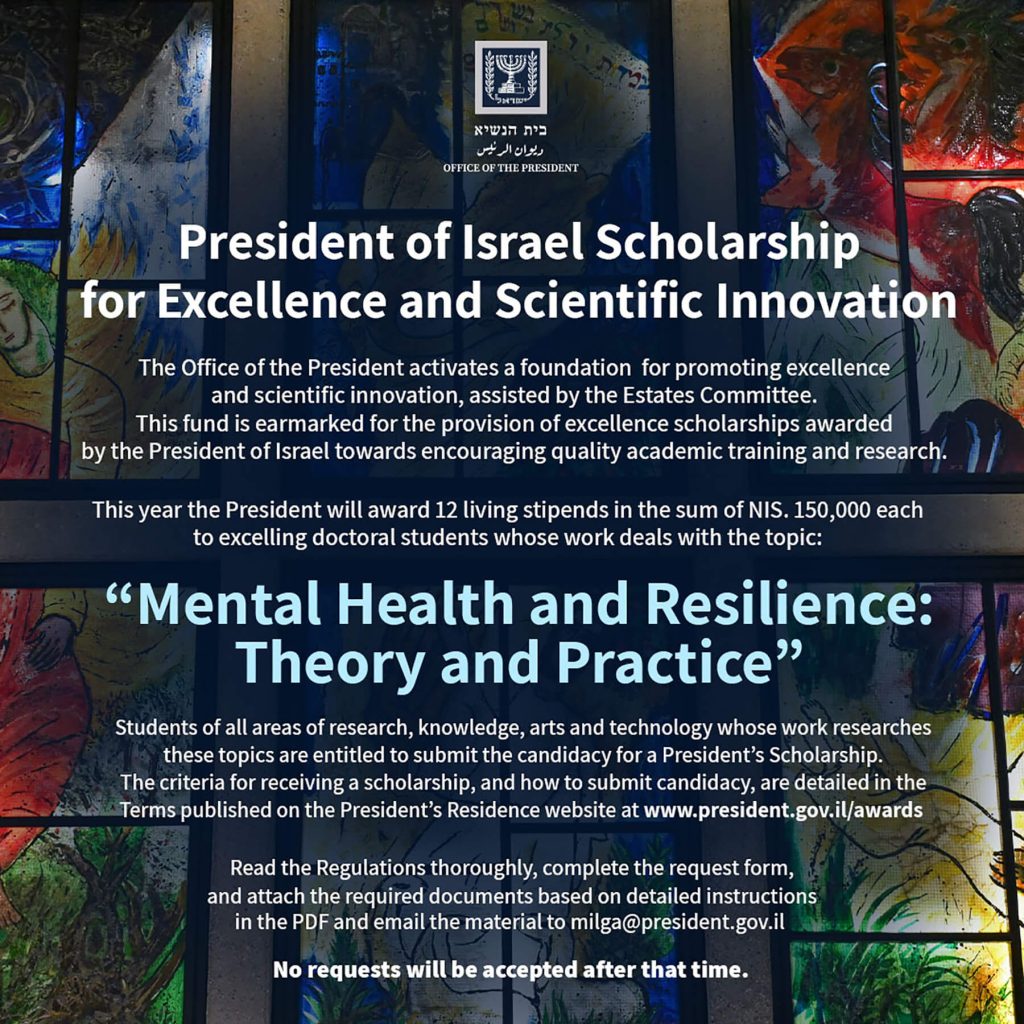
The scholarship fund established in 2013, in partnership with the committee, is a means of promoting scientific excellence in Israel. The President’s Scholarships for Excellence and Scientific Innovation are awarded to twelve outstanding Israeli doctoral students with the aim of fostering high-quality academic research, incentivizing scholarly activity, and promoting scientific excellence and innovation in Israel. In recent years, scholarships have been awarded to researchers from the social sciences and humanities, out of a desire to strengthen and deepen research in these fields.
The protocols of the fund state that the annual theme is selected by the President. Every year, the Office of the President forms an academic committee dedicated that annual theme, in which the finest scholars and academics in that field select the most promising and outstanding young researchers in Israel. The scholarships committee comprises seven scholars of renown in the field of each year’s theme, alongside a representative of the Estates Committee and a representative of the Office of the President. This professional committee evaluates the scientific excellence of the candidates, the inventiveness and originality of their research projects, their academic achievements, previous publications, and recommendations of leading instructors and scholars in their field.
Nowadays, the President’s Scholarships for Excellence and Scientific Innovation, which amount to 150,000 NIS for each scholar, are considered the best and most competitive in Israel.
 Israeli Presdiential Scholarship for Excellence and Scientific Innovation: Rules and Regulations
Addendum A – Application for Israeli Presdiential Scholarship for Excellence and Scientific Innovation
Addendum B – Letter of Commitment for Candidates
Addendum C – Confirmation of Academic Institution
Israeli Presdiential Scholarship for Excellence and Scientific Innovation: Rules and Regulations
Addendum A – Application for Israeli Presdiential Scholarship for Excellence and Scientific Innovation
Addendum B – Letter of Commitment for Candidates
Addendum C – Confirmation of Academic Institution
The President’s Scholarship Fund for Excellence and Scientific Innovation was first launched in 2013 under President Shimon Peres and disbursed:
During the Rivlin Presidency, the fund disbursed:
During the Herzog Presidency, the fund has so far disbursed: